
Forgetting Everything
The freedom of an empty mind

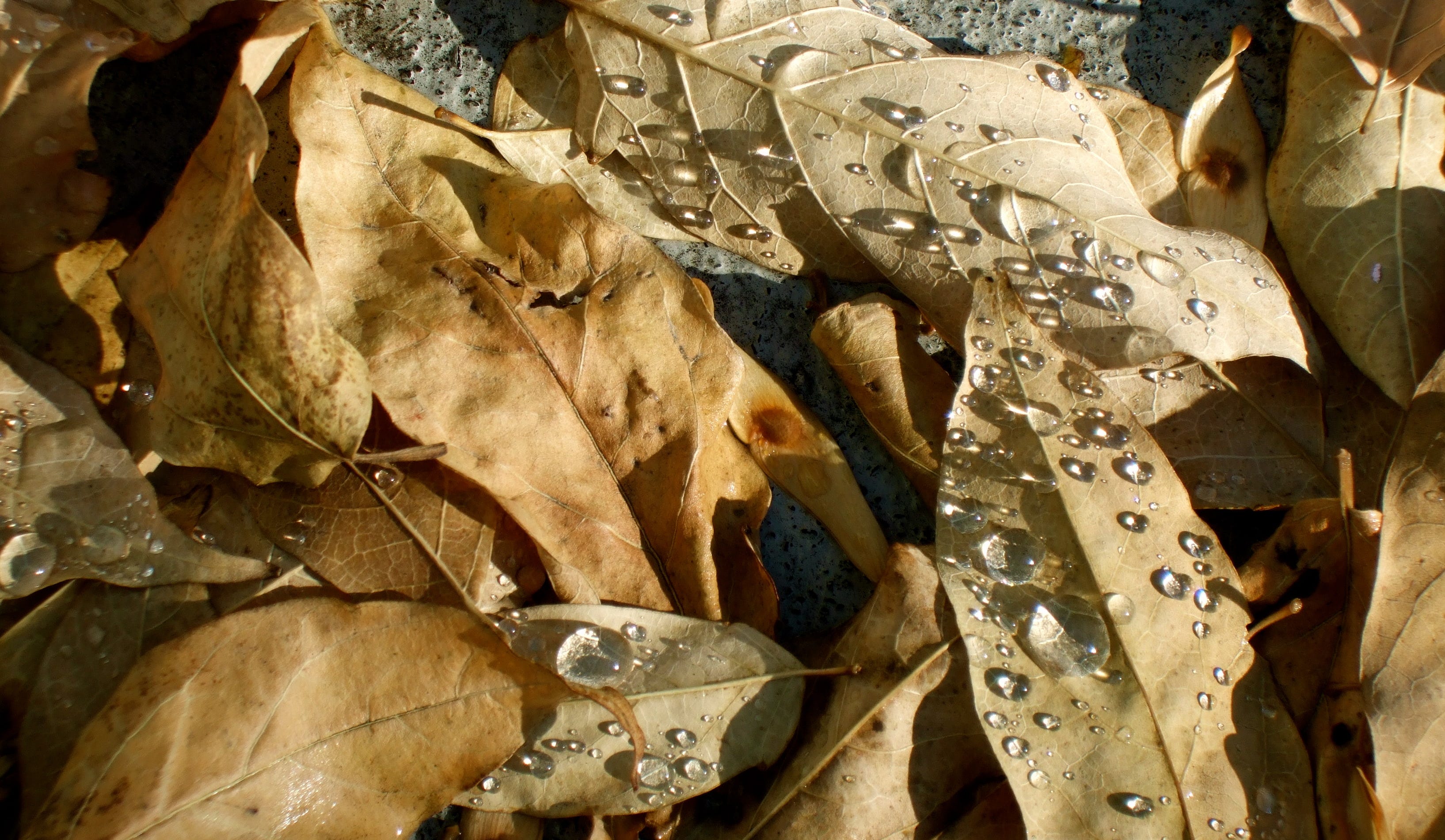
We say, “[Buddha] attained enlightenment,” but it may be better to say, “he completely forgot everything!”
– Shunryu Suzuki
There are so many words pointing to this “forgetting everything” or empty mind — letting go, relaxing, falling open, surrendering — silence, stillness, presence, not knowing — being just this moment, just being —
Shunryu Suzuki often spoke of beginner’s mind, the mind he encouraged Zen students to have. “If your mind is empty,” he said, “it is always ready for anything; it is open to everything. In beginner’s mind there are many possibilities, but in the expert’s there are few… When we have no thought of achievement, no thought of self, we are true beginners. Then we can really learn something.”
Of course, we’re not talking about literally or permanently forgetting everything, nor are we talking about trying to maintain a perfectly thought-free mind all the time. It’s about right now, in this moment, opening, letting go, holding on to nothing. If thoughts come, letting them come and go.
This relaxing and forgetting everything, this beginner’s mind is so easy, so totally effortless, and yet it can be so seemingly difficult for us humans with our complex minds. We are pulled into thinking again and again, and of course, thought has its place, but we tend to be compulsive over-thinkers. We try to think our way to some imagined enlightenment. We try to figure out the endless questions the thinking mind creates by more thinking: Do we have free will? What happens to us when we die? Is the fundamental ground consciousness or matter? Which comes first, the chicken or the egg? What is the meaning or purpose of life? What should we do? We think and think and think. We listen to supposed authorities and hear conflicting answers to these questions and grow ever more confused. We try to think our way out of this confusion.
At some point, we hear that thinking is a problem, so we try not to think. And then we hear that trying is the problem. So we try not to try, and we get more and more tied up in knots, entangled in what seems to be a very real problem. But how real is it? And how real is the one who seems to have this problem, the one who seems to desperately need a solution, a breakthrough, a release, an awakening?
Can this “me” actually be found?
It has been said that the self is like a tightly clenched fist. Open the hand and there is nothing there. Clenching is what takes effort; opening is effortless.
Feel the spaciousness, the openness of this awaring presence that is always here-now. Is it possible for one moment to let everything go, to relax the grip? We may discover that the apparent “me” and its apparent problems can vanish completely.
And then, when the mind-body-fist clenches up again, as it probably will, we can notice how this happens—what thoughts are being believed, what is happening in the body. Are we breathing? Can attention shift from the thoughts to the sensations, feeling the sensations? Going deep into the sensations with open attention, what is found? Are they solid? Do they stay the same? Is anything substantial there? What is at the very core of them? And can we notice the spaciousness, the openness of this awaring presence that we are? Does it have a boundary or an edge? Are the thoughts and sensations other than this awaring presence, or is it one whole undivided seamless happening? Are we the character in the story, encapsulated inside the body, never quite good enough, seemingly needing to have some big awakening or get rid of some neurotic tendency in order to finally be okay? Or is that character a kind of mirage that comes and goes?
This isn’t about metaphysics or philosophy. It’s about our actual direct experiencing right here, right now. It’s about THIS that no words or concepts can ever capture or pin down. Words can only point. At the end of his long spiritual search, Buddha finally sat down and forgot everything. The twentieth century sage Papaji always said, “Stop. Be quiet.” Ramana Maharshi sat in silence. Nisragadatta smoked and sometimes yelled but pointed always to the same placeless place, the same stillness at the center of the storm. My teacher Toni Packer often said, “Stop. Look. Listen.” John Butler, a contemporary mystic and former organic farmer says, “If something seems complicated, beware. Truth is very, very simple.”
The nondual pathless path isn’t about attaining something that isn’t already here. It’s about giving open attention to here-now, exploring the nature of this living actuality, seeing through all the ways we overlook what is most simple and most obvious and become entangled in ideas and conceptual confusions. And it’s about opening, again and again, NOW, to the silence, the stillness, the presence, the aliveness at the heart of being.
Love to all…
I was feeling restless and anxious but after reading this, that largely dissipated. Thank you, Joan.
As frequently happens when I read your posts, Joan, I think, “This one really encapsulates what Joan’s message—what THE message—is all about.” But as I read this today, that thought screamed at me…”YES, this is THE message, in a few brilliant paragraphs.” Thank you.